Demystifying the concept of industry cloud
In general, industry clouds are gaining traction notably within heavily regulated sectors, like healthcare, banking and insurance, and hence, are particularly relevant for a country like Luxembourg.

Industry clouds mark the latest stage of cloud’s evolution, offering platforms tailored to address the unique needs of a specific industry.
They offer comprehensive, fully integrated solutions, with industry-specific business capabilities and all the regulatory compliance requirements within a specific industry vertical. For instance, they provide packaged business functionalities, frameworks, interfaces, blueprints, and workflows relevant to an industry. They also offer common data models, enabling seamless data exchange among ecosystem players, such as business, suppliers, customers, and regulators.
In general, industry clouds are gaining traction notably within heavily regulated sectors, like healthcare, banking and insurance, and hence, are particularly relevant for a country like Luxembourg.
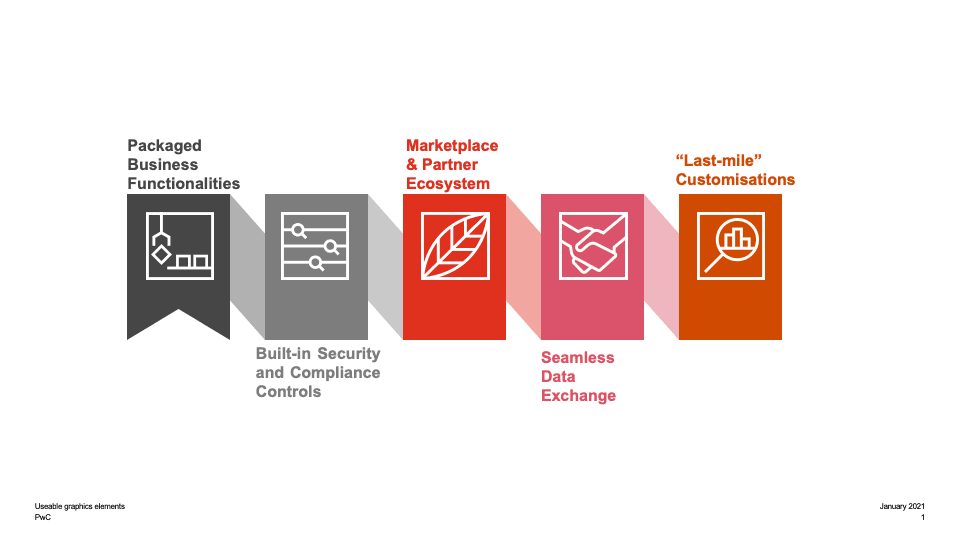
Figure 1 – Key characteristics of an industry cloud PwC Luxembourg
Exploring the benefits of an industry cloud
As highlighted in the PwC EMEA survey, industry clouds offer various key benefits.
First, they help reducing risks as they come with prebuilt industry-specific security measures, encryption protocols, and include regulatory compliance controls within the platform.
A second advantage is the ability to improve time-to-market. By leveraging fit-for-purpose industry accelerators, the time and costs associated with implementation are drastically reduced. In general, the combination of access to a marketplace and partner ecosystem along with the composability, modularity, and extensibility of industry cloud platforms enhances the ability of organisations to deploy prebuilt solutions and rapidly introduce new business capabilities.
Lastly, industry clouds help organisations in innovating and redefining their business models. Indeed, by proposing common data models, organisations within the same industry can exchange and monetise data with one another. These organisations can access to industry insights and benchmarks by aggregating data from multiple clients within their respective industries, empowering them to create new applications derived from this data.
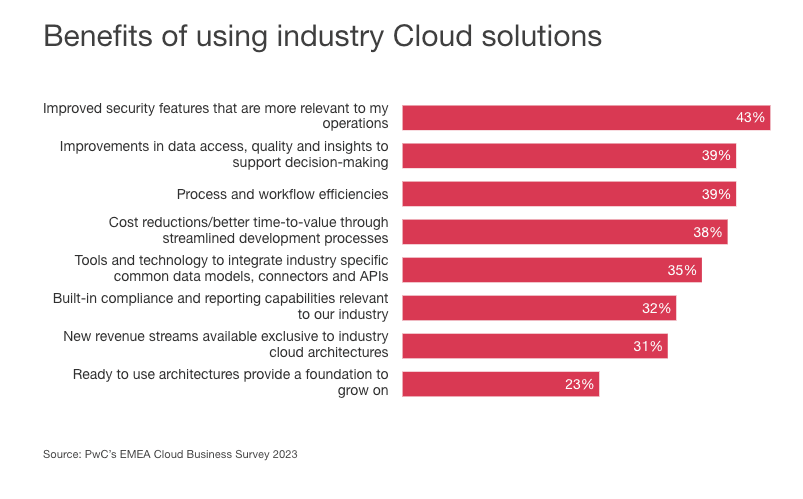
Figure 2 – Key benefits of an industry cloud PwC’s EMEA Cloud Business Survey 2023
Driving business value and innovation
Industry clouds hold significant potential to drive innovation, streamline processes through digitisation, and enhance customer experiences through personalisation.
These platforms are well suited for a multitude of industries. In the healthcare sector, industry cloud solutions enhance patient results and foster collaboration among healthcare teams. For example, PwC, Microsoft, and the Open-Source Imaging Consortium (OSIC) have built an AI cloud-based open-source medical imaging and data exchange platform. It improves the speed and accuracy of diagnosis and help patients, providers, and researchers to fight against rare diseases.
In the context of the public sector, such platforms can help enhancing citizen experience or ensuring public safety. For instance, they play a pivotal role in emergency response coordination by facilitating the exchange of real-time data and insights among stakeholders, including government, healthcare providers, and emergency services, thereby optimising the response process. Industry clouds could also modernise court operations by for instance digitising and streamlining legal case management or facilitating virtual court hearings.
Regarding the financial services sector, industry clouds have the potential to enhance operations within the banking sector. PwC has for instance developed a solution that provides a 360-degree view of a customer, enabling Know Your Customer (KYC) and Anti-Money Laundering (AML) validation, credit underwriting, and customer lifecycle management on one single platform.
Industry clouds can also be particularly relevant in other sectors, such as manufacturing and automotive.
The landscape is still evolving, but various stakeholders can offer industry cloud solutions, including cloud service providers such as Microsoft and AWS, enterprise platform providers like Oracle, Salesforce and SAP, business solution providers such as Temenos or Guidewire and professional services firms like PwC.
Industry clouds hold significant potential to drive innovation, streamline processes through digitisation, and enhance customer experiences through personalisation.

The beginning of a new Journey
With industry clouds, the focus is shifting from technology and infrastructure towards fostering business value creation, which ultimately helps organisations in accelerating their digital transformation. They are business platforms that enable companies to reinvent their business models and focus on differentiation.
When defining their industry cloud strategy, organisations should assess their challenges and identify the use cases that offer the greatest potential for differentiation. They should then engage in a collaborative partnership model to develop their solution and adopt an operational model optimised for cloud readiness.
Embrace industry cloud: they will help you revolutionise the way you innovate, operate, and succeed in the years to come.
For more information visit our webpage.
Patrice Witz, Advisory Partner, PwC Luxembourg
Stéphane Zema, Director, Cloud Transformation Leader, PwC Luxembourg