
What is gender pay gap?
Gender pay gap is the difference between average gross hourly earnings of men and women. It is calculated based on an employees’ gross amount and considers the pay gap across roles within the same organisation.
Why should organisations care about the gender pay gap?
The gender pay gap is a concern on the EU as well as global level. Despite efforts to address the topic, some countries report disparities of over 20%, according to Eurostat, underscoring the gravity of the situation.
While Luxembourg appears to be having the lowest unadjusted gender pay gap in the EU, these statistics hide many of the facets. The EU gender pay gap by country is based on hourly wages and does not consider variable remuneration. The Luxembourg hourly wage pay gap of -0.7% (2022), in the favour of women, shifts to 4.5%, in the favour of men, when variable remuneration is added into the calculation. All in all, also Luxembourgish entities should still be concerned with the topic and progress towards closing the total remuneration pay gap and equal career opportunities.
On an EU level, efforts to address the issue began with the Treaty of Rome in the 1950s, but industry segregation, unpaid hours, underrepresentation of women in high-paying fields or part-time work hinder progress and enhance the gap.
Organisations are concerned with talent drain, decreased morale among women as well as discrimination. Nowadays, there is a high risk of litigation and reputation damages if organisations fail to address workplace gender equality.
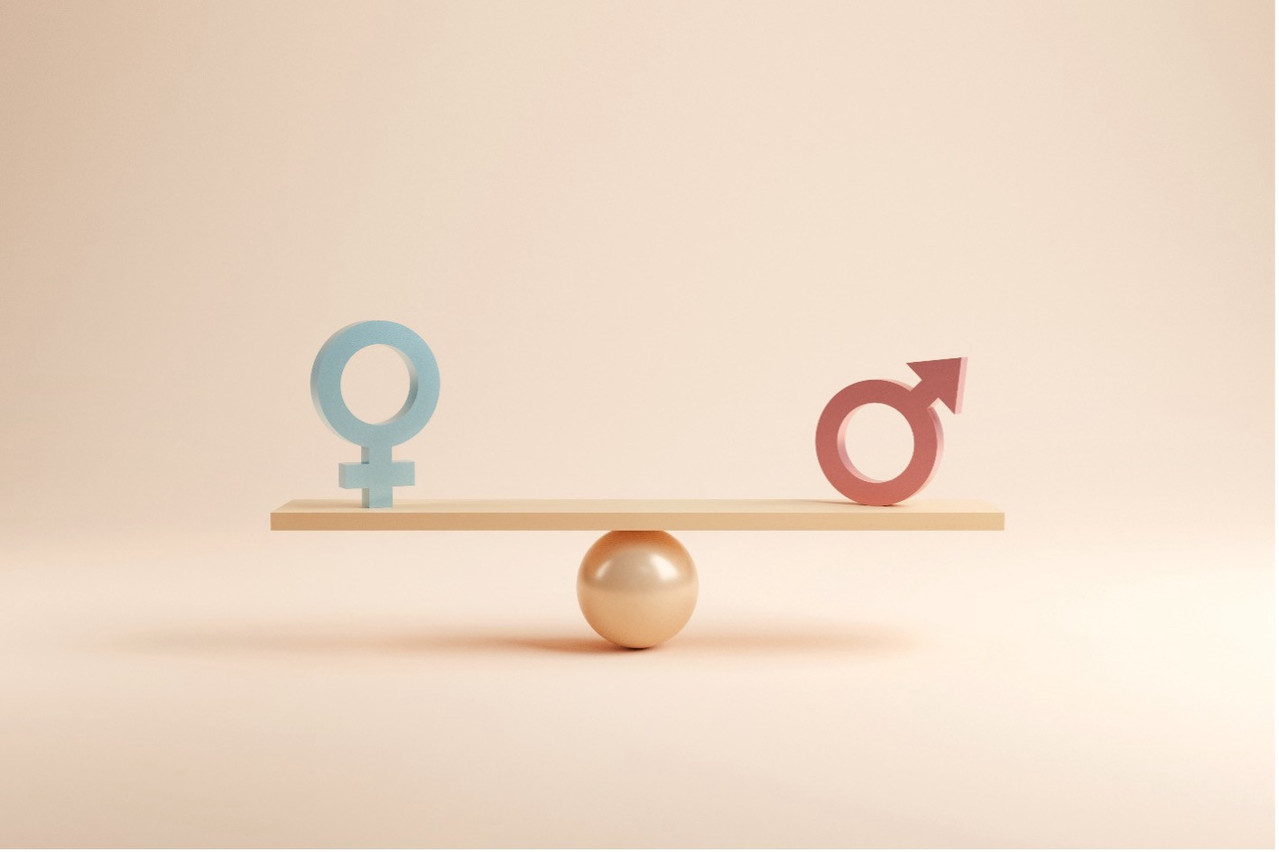
Gender pay gap in the EU – threat or opportunity? PwC Luxembourg
Are there existing countermeasures and what does the EU 2023 gender pay gap measure entail?
In a 2006 directive, the EU prohibits unequal treatment in the workplace. As a result, many countries implemented first pay transparency policies and gender quotas.
As one of the trailblazers, the Irish Gender Pay Gap Information Act 2021 mandates companies to disclose gender pay gaps, boosting accountability and transparency. Therefore, Ireland can be considered a pioneer in equal pay legislation within the EU.
With the latest EU directive from 2023, workers will soon gain the right to access pay information to boost transparency. Moreover, in the future, businesses must address gaps exceeding 5% if they don’t want to face penalties. Employees affected by non-compliance can claim compensation.
How can closing the gender pay gap help organisations?
The European Commission found out that reducing the gender pay gap would increase Gross Domestic Product (GDP) by 15% by 2050. Furthermore, it could balance demographic challenges such as declining birth rates.
On an organisational level, it could improve productivity and engagement, enhance reputation and foster innovation. Companies closing the gap, gain a competitive advantage and are more likely to attract and retain talent.
Closing the gender pay gap is not only a matter of fairness and equality but also has broader economic and social benefits. It can bring significant welfare to society.
What are the challenges of reducing gender pay gap? What are possible solutions?
Stereotypes and biases impede closing the gap. Addressing these requires awareness campaigns and bias training for equitable workplace decisions.
Women’s underrepresentation in senior roles also obstructs progress on the matter. Gender quotas and leadership programmes can mitigate disparities and support women’s career advancement.
Caregiving responsibilities often lead women into career breaks or part-time work, negatively impacting earnings and career progression. Implementing family-friendly organisational policies and promoting an equal distribution of caregiving responsibilities can help solve part of the issue. Beyond that, regular pay audits and public pay gap data as well as a harmonised legal framework across the EU are crucial to ensure equal pay for equal work.
It is a combined effort from policy-makers and organisations to draft the right policies, initiatives and awareness campaigns to help reduce the gap and promote an inclusive and prosperous future for all genders.
For more information visit our webpage.
Caroline Linel, Senior Manager, Team Leader Reward & HR Regulations at PwC Luxembourg
Niklas-Alexander Theobald, Senior Manager, Team Leader Workforce Analytics & Strategy at PwC Luxembourg.